When to seek emergency care: Seek emergency care immediately if you are too breathless to speak in sentences, your lips turn bluish, or your reliever inhaler is not helping.
What is Asthma?
Asthma is a chronic condition in which the airways — the breathing tubes that carry air into the lungs — become inflamed and over-sensitive. When triggered, the muscles around the airways tighten, the lining swells and extra mucus is produced, making the airways narrower and breathing harder.
Asthma affects people of all ages. It cannot usually be cured, but with the right diagnosis, correct inhaler technique and regular review, most people can control their symptoms well and lead fully active lives.
Common symptoms
- Wheezing — a whistling sound while breathing
- Shortness of breath, especially at night or early morning
- Chest tightness or heaviness
- Recurrent dry cough, often worse at night or after exercise
- Symptoms that worsen with colds, dust, smoke or weather changes
Possible causes & risk factors
- Family history of asthma or allergies
- Allergens such as house dust mites, pollen, pet dander and mould
- Viral respiratory infections
- Tobacco smoke, air pollution and occupational fumes or dust
- Exercise, cold air and strong odours
- Certain medicines (for example some pain relievers or beta-blockers) in susceptible people
When should you consult a pulmonologist?
- You have repeated episodes of wheeze, cough or breathlessness
- You need your reliever inhaler more than twice a week
- Symptoms wake you at night or limit daily activities
- You have had an emergency visit or needed oral steroids for breathing
- You are unsure whether your inhaler technique is correct
Diagnostic investigations
Your evaluation is tailored to your symptoms and history. It may include:
- Detailed clinical history and examination
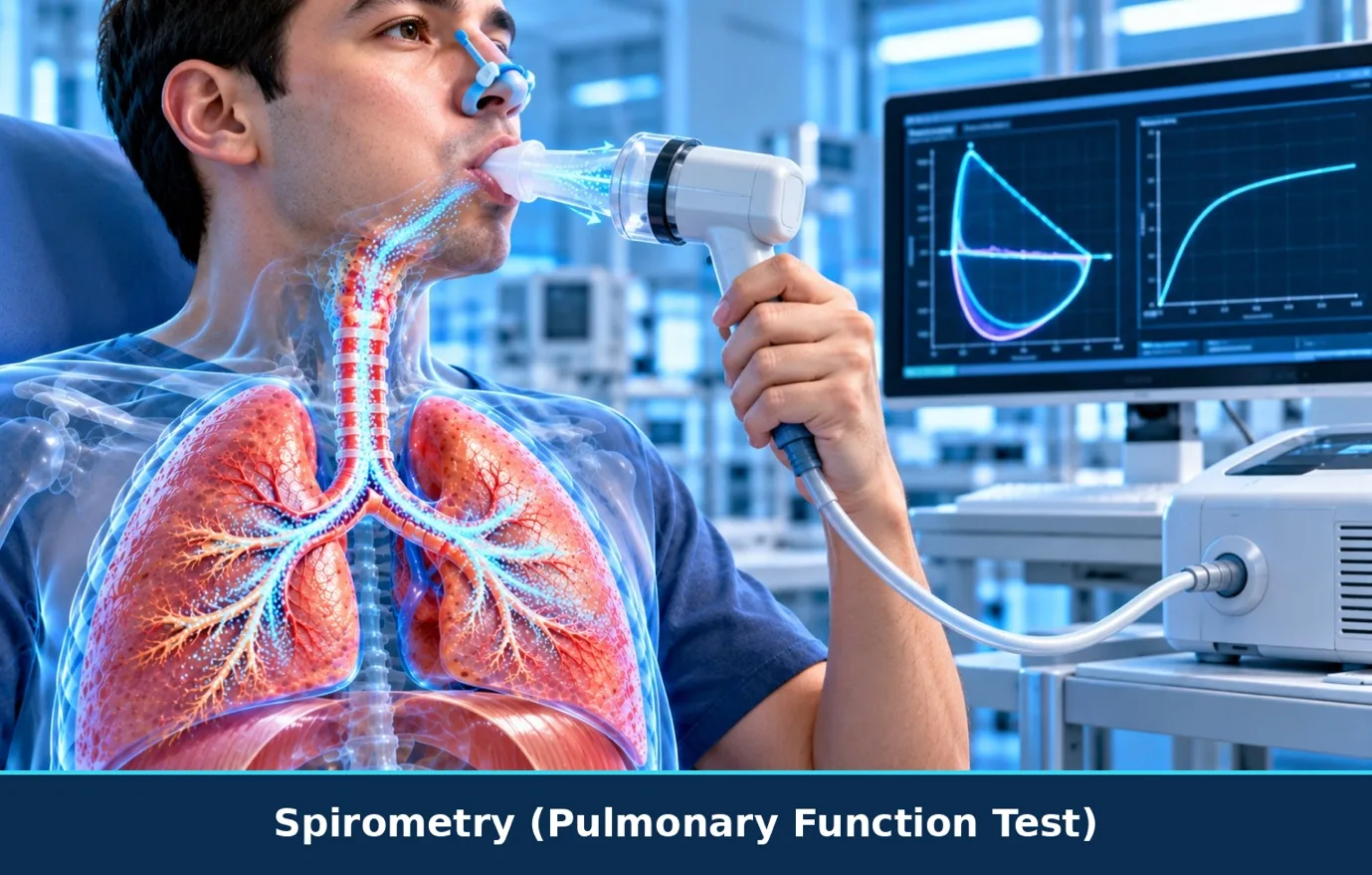
- Spirometry with bronchodilator reversibility
- FeNO (airway inflammation test)
- Impulse oscillometry where appropriate
- Peak flow monitoring
- Allergy assessment and blood eosinophil count where relevant
- Chest X-ray to exclude other conditions, when indicated
Available treatment approaches
- Controller (preventer) inhalers — usually inhaled corticosteroids, often combined with a long-acting bronchodilator
- Reliever inhalers for quick symptom relief
- Hands-on training in inhaler and spacer technique
- A written, personalised asthma action plan
- Identification and avoidance of individual triggers
- Assessment for biologic therapy in selected patients with severe asthma
- Regular follow-up with lung function monitoring
Treatment is individualised. The options above are general information; your doctor will recommend what is appropriate for you after assessment. Outcomes vary from person to person.
Frequently asked questions
No. Inhalers are not addictive. Inhaled medicines deliver small doses directly to the airways, which reduces side-effects compared with tablets. Your doctor will aim for the lowest dose that keeps your asthma well controlled.
Asthma symptoms may become less frequent over time, particularly in some children, but the underlying tendency often remains. Good control means you can live with few or no symptoms.
Yes. Regular exercise is encouraged. If exercise triggers symptoms, your doctor can adjust treatment so that you can stay active.
No. Both affect the airways, but asthma typically starts earlier in life and its airway narrowing is largely reversible, while COPD is usually linked to smoking or long-term exposures and is more persistent. Spirometry helps distinguish them.