When to seek emergency care: Coughing up more than a few tablespoons of blood, or blood with breathlessness or dizziness, is an emergency.
What is Hemoptysis?
Hemoptysis means coughing up blood or blood-stained mucus from the lungs or airways. The amount can vary from streaks of blood in sputum to large volumes.
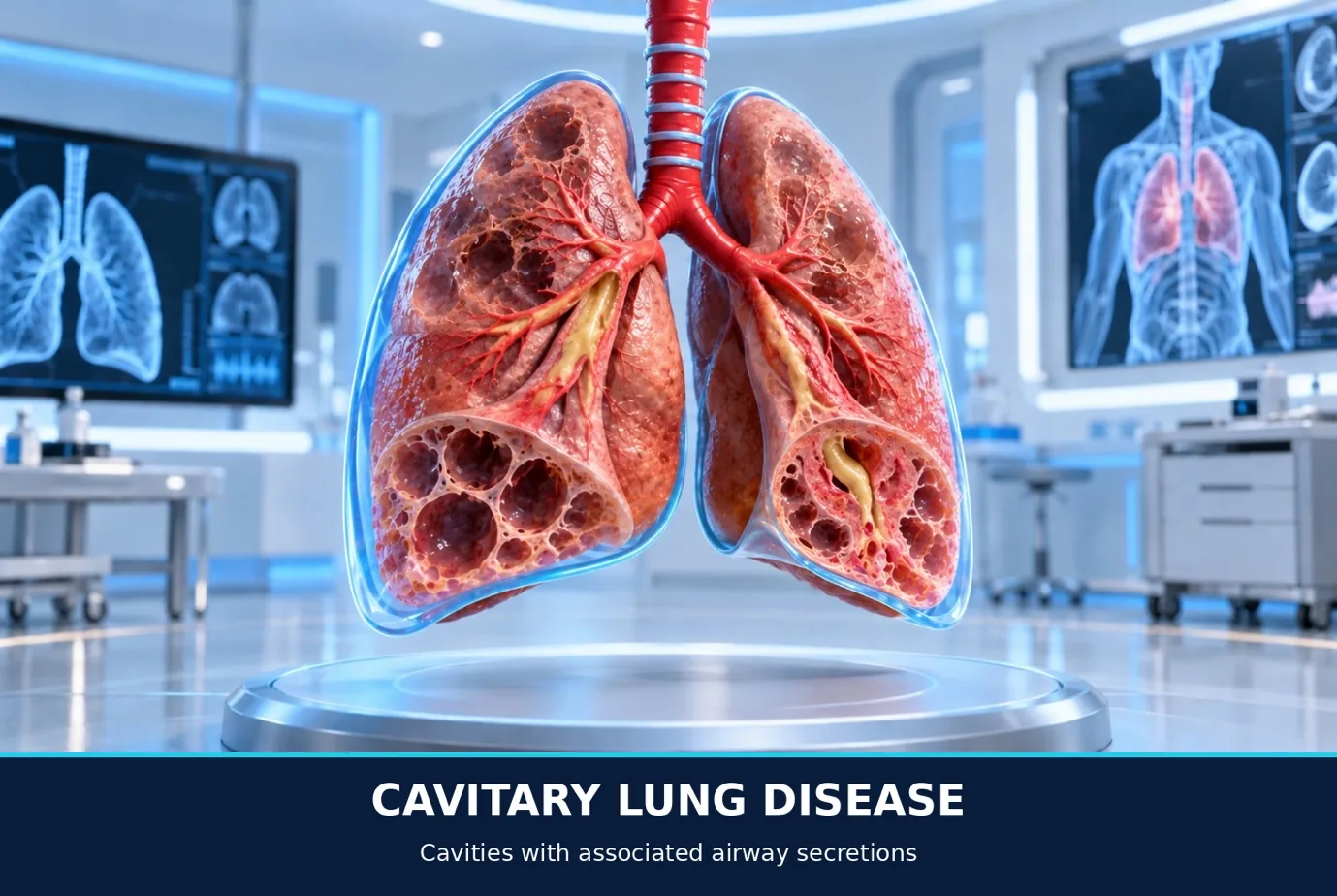
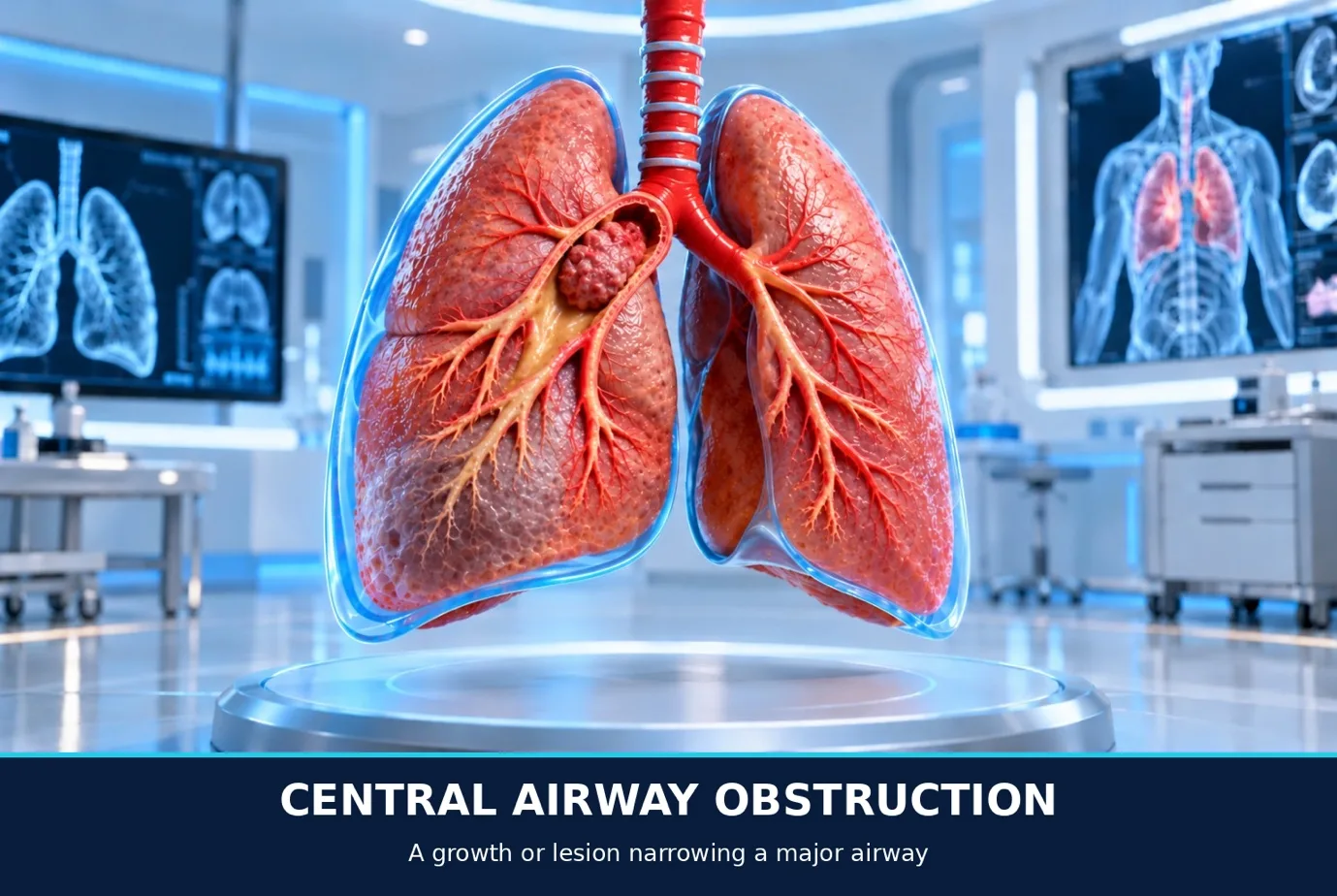
Even small amounts of blood should be evaluated, because hemoptysis can be a sign of infection, tuberculosis, bronchiectasis or lung cancer. Large-volume hemoptysis is a medical emergency.
Common symptoms
- Blood-streaked sputum or frank blood on coughing
- Associated cough, fever, weight loss or breathlessness, depending on the cause
Possible causes & risk factors
- Bronchitis and respiratory infections
- Tuberculosis, active or past
- Bronchiectasis
- Lung cancer
- Fungal infections (such as aspergilloma)
- Pulmonary embolism, blood-thinning medicines or bleeding disorders
When should you consult a pulmonologist?
- Any episode of coughing up blood
- Recurrent episodes, even if small
- Hemoptysis in a current or former smoker
Diagnostic investigations
Your evaluation is tailored to your symptoms and history. It may include:
- Chest X-ray and CT scan (often CT angiography)
- Sputum tests including TB testing
- Flexible bronchoscopy to locate the source
- Blood tests including clotting profile
Available treatment approaches
- Treatment of the underlying cause
- Bronchoscopic measures to control bleeding in selected cases
- Bronchial artery embolisation (by interventional radiology) for significant bleeding
- Surgery in selected cases
Treatment is individualised. The options above are general information; your doctor will recommend what is appropriate for you after assessment. Outcomes vary from person to person.
Frequently asked questions
Not always, but it should always be checked. Many causes are treatable, and early evaluation is important to rule out conditions like TB or lung cancer.